 close
- Productschevron_right
- Learningchevron_right
- Manufacturing solutionschevron_right
- Supportchevron_right


Sustainable solutions
Leading innovative solutions for our customers and society
We understand the crucial role our customers play in sustainability and are committed to supporting their journey toward net-zero, circularity, and efficiency. Our goal is to be a trusted and transparent partner, continually advancing sustainable solutions. Specifically, we focus on helping our customers lower emissions and enhance circularity.
Our approach is rooted in testing and finding innovative solutions, inspiring us to craft high-performing tools that not only achieve superior results but also reduce process waste. To further increase efficiency and tool longevity, we've developed machining methods and software that support this ambition, striving to achieve more with less. We also actively share this knowledge with others through training and consulting on-site, online, or at our Sandvik Coromant centers. This vision drives our commitment to research and development, where we continually refine our products and lead projects focused on pushing boundaries and setting new industry standards.
Our goals
+10%
yearly revenue growth from sustainable solutions*
(*Definition and criteria under development)
100%
of standard inserts with Life Cycle Assessment (LCA) data by 2028
100%
carbide recycling (buy-back) by 2030
Our solutions
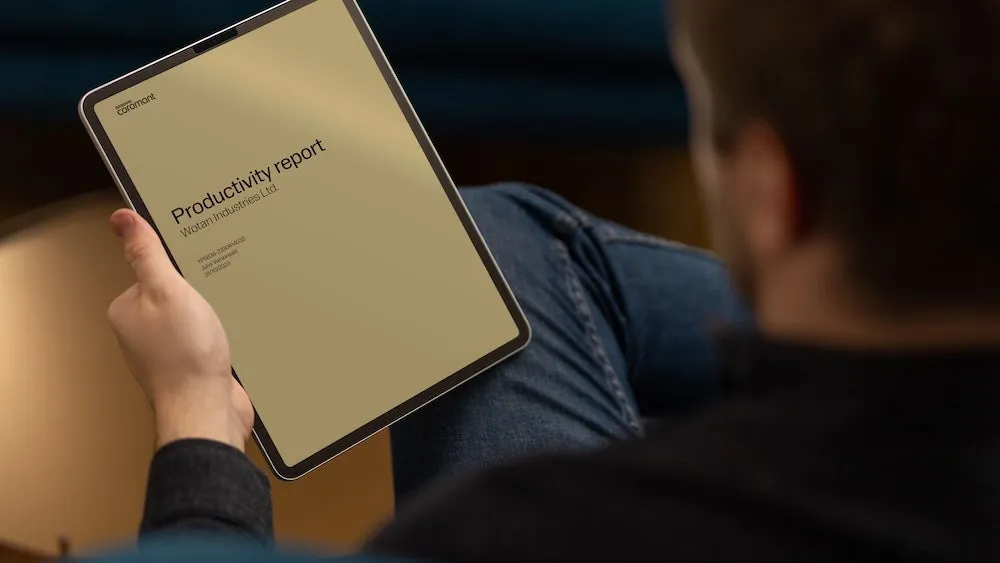
Minimizing emissions and climate impact based on data
The Sustainability Analyzer, an upgrade to the existing Productivity Analyzer, now helps customers reduce energy consumption and carbon emissions by providing a detailed analysis of tool usage and its operational impact. It incorporates sustainability metrics, including energy input at the spindle during cutting processes and energy costs, allowing precise calculations of energy savings and CO2 emission reductions.
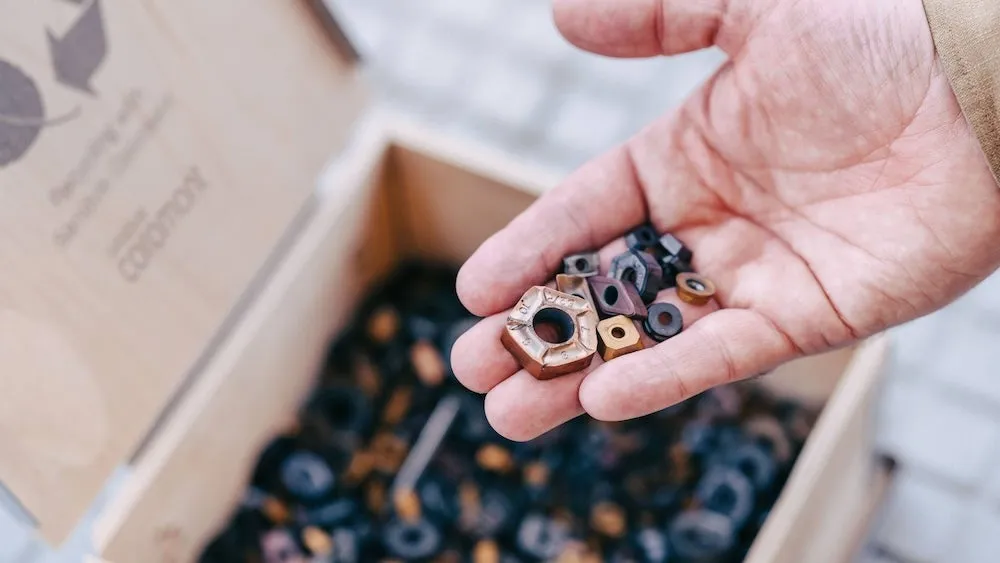
Closing the loop for cemented carbide and minimizing landfill
We have set a goal to buy back 100% of used carbide tools by 2028 for recycling purposes. Our products, predominantly made from carbide—a compound of carbon and tungsten—face limited tungsten reserves, estimated to last about 100 years. By recycling used carbide from old metal cutting tools, we can manufacture new ones, minimizing the need for raw materials and reducing environmental impact.
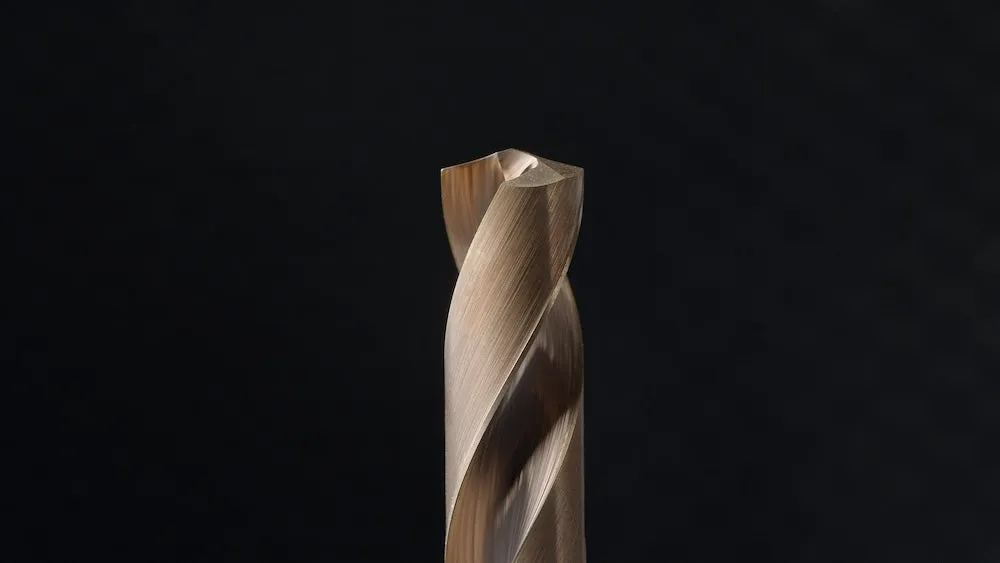
Extending product life through reconditioning
Our reconditioning centers extend the lifespan of solid round tools, such as carbide drills and end mills, restoring them to original quality and prolonging their total lifecycle. This process not only maximizes the utilization of raw materials in manufacturing but also reduces cutting tool costs for customers.
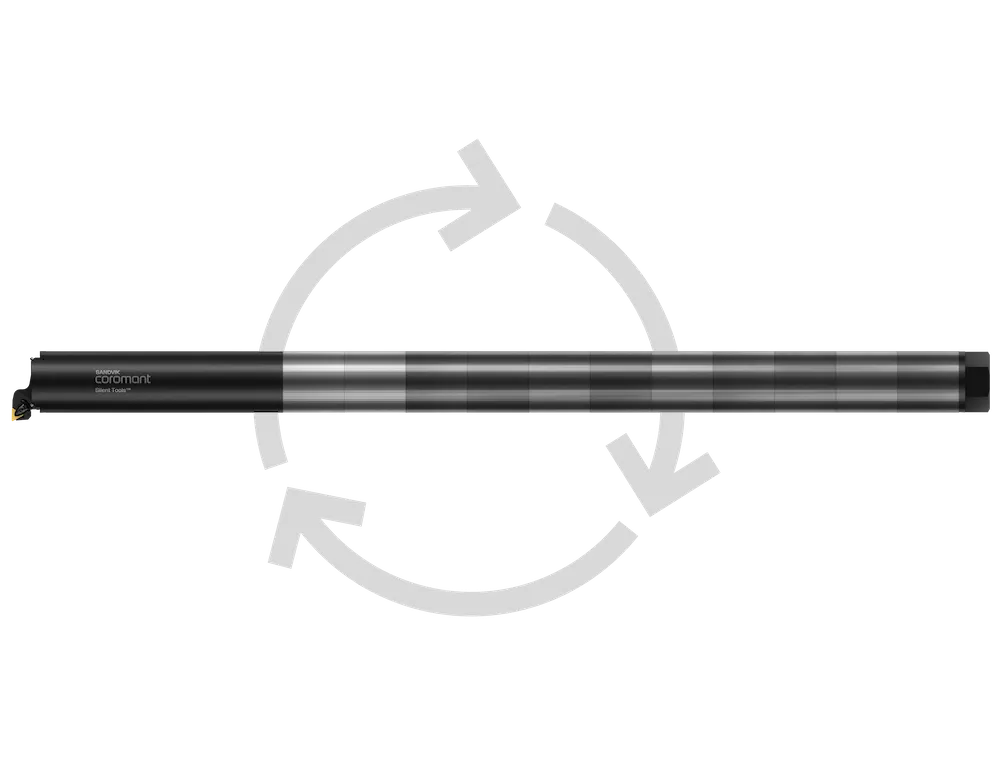
Creating new value through remanufacturing
Remanufactured Silent Tools™ helps extend the life of Silent Tools™ turning adaptors by recovering and reusing high-value components, such as carbide-reinforced rings. The remanufacturing process keeps valuable materials in use for longer, helping to reduce waste, material use, and CO₂ emissions while maintaining the same quality, performance, and guarantees as a new adaptor.
Link to page coming soon
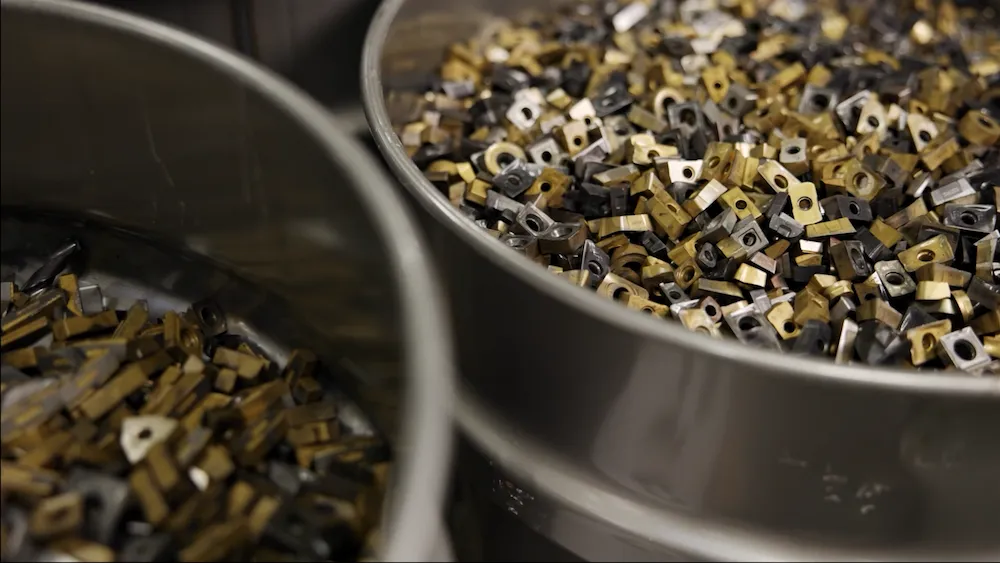
Steel turning grades with more than 65% recycled content*
The latest generation of steel turning grades — GC4425, GC4415, and GC4405 — contain more than 65% recycled material*. Through the buy-back program, worn-out inserts are returned and processed into new tools, keeping tungsten and other raw materials in circulation rather than entering the waste stream.
*The recycled content is calculated in 2025 using yearly figures provided by our suppliers
Ongoing projects
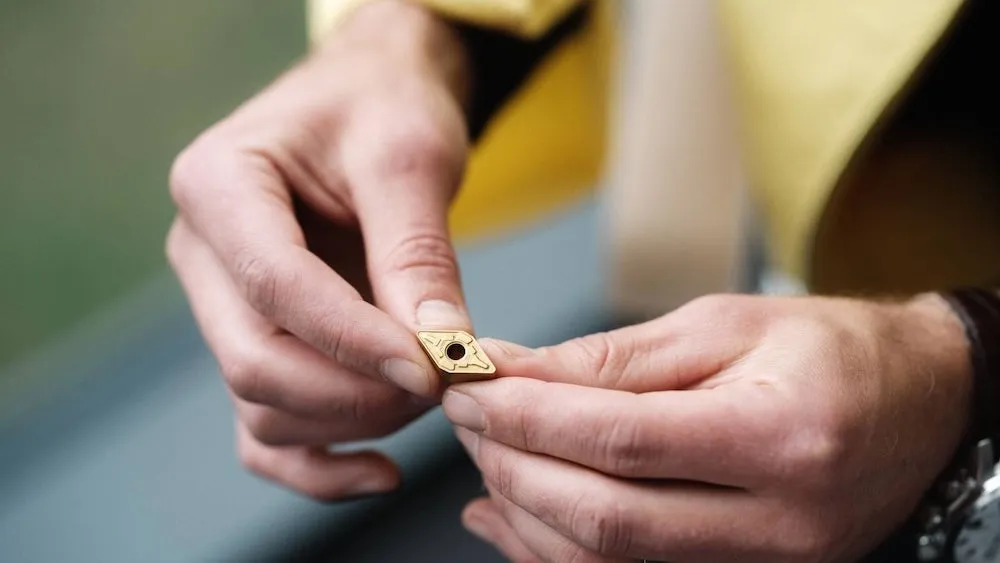
Measuring the carbon footprint of our products
A Life Cycle Assessment (LCA) is conducted on a select product range as a proof of concept to evaluate the environmental effects across the product life cycle, applicable to indexable holders and inserts. It will be third-party verified. The project is set to conclude in June 2025, with plans to integrate the methodology across the entire organization in 2026.
Digital metal values collaboration and digital product passport pilot
Sandvik Coromant is participating in the Digital Metal Values initiative, a collaboration coordinated by Swerim that brings together partners across the steel value chain to explore how Digital Product Passports (DPPs) can create business value for industry. Through practical pilots with Ovako and Chaintraced, we are testing how product data, such as material composition, environmental performance, and chain of custody, can be structured and shared in practice. As an early mover, we focus on testing real use cases, understanding data gaps, and learning together with customers and partners to turn product data into business value.
Highlights
Why manufacturing needs data-led sustainability goals
Creating sustainability goals is critical, but so is analyzing progress and acting accordingly to increase their effectiveness and flourish as a business.chevron_right
Green factories 101: the net zero blueprint
The only way to tangibly evaluate a company’s sustainability performance is to keep track of all its factories and facilities around the world.chevron_right
Read more about the other focus areas
Net zero
Striving for net zero in our value chainchevron_right
Circularity
Advancing circularity and resource efficiency for circular value chainschevron_right
People and communities
Protecting and supporting our people and their communitieschevron_right
Create account chevron_right
Place orders, view prices and check tool availability
Subscribe to our newsletter chevron_right
Join us. Stay updated.

Sandvik Coromant US - Mebane, NC
+1-800-SandvikAB Sandvik Coromant, 811 81 Sandviken, Sweden